Professor Kwadwo Appiagyei-Atua of the University of Ghana School of Law (UGSoL) has called on universities, academics, students and civil society organisations across Africa to confront the internal contradictions and power structures within academic institutions as a critical step towards advancing democratic renewal on the continent.
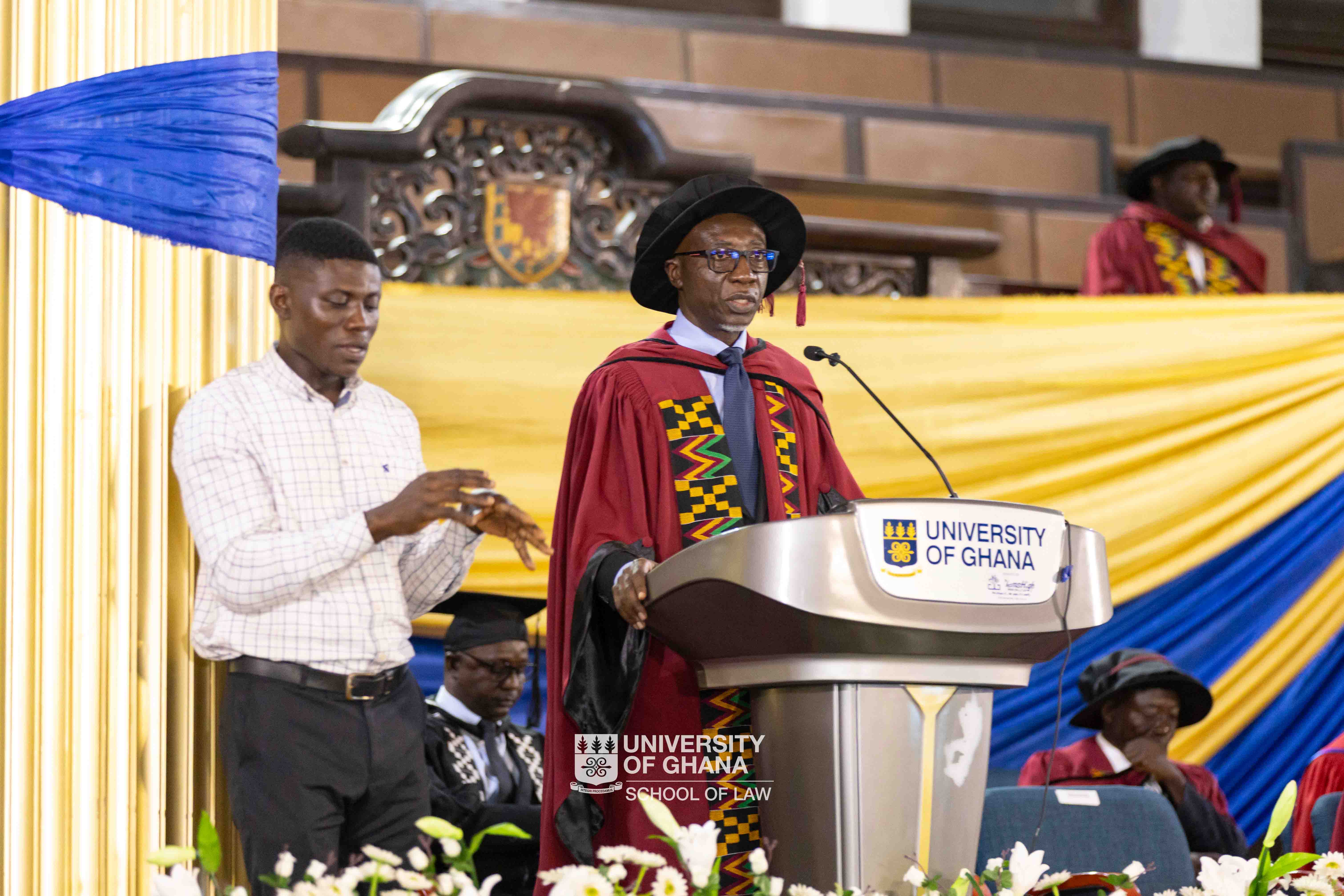
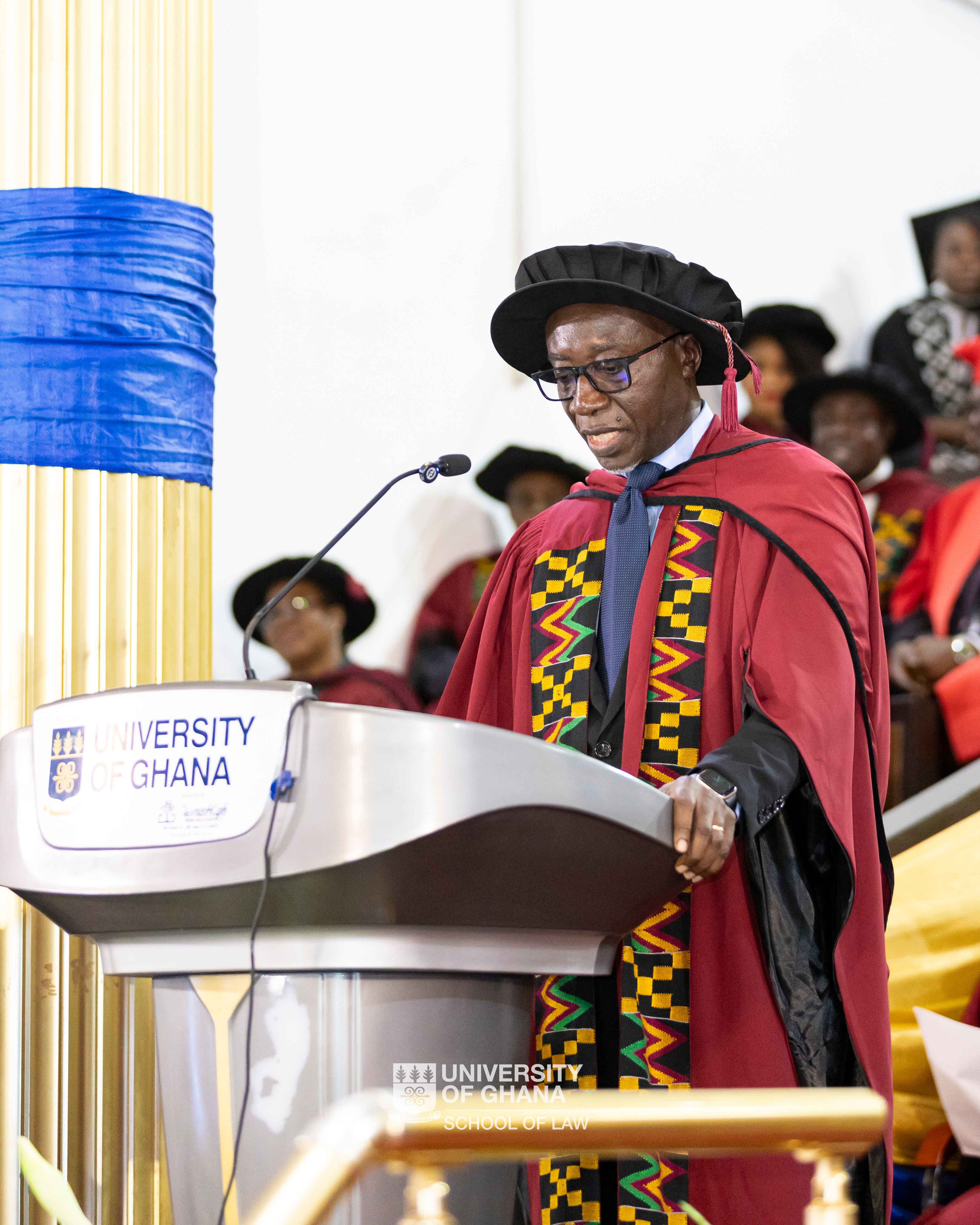
Delivering his Inaugural Lecture on “The Student Question: Reclaiming Academic Freedom for Democratic Renewal in Africa” at the Great Hall of the University of Ghana on Thursday, 27th August 2026, Professor Appiagyei-Atua challenged the academic community to look beyond external threats to academic freedom and critically examine the structures, governance practices and power asymmetries within universities themselves.
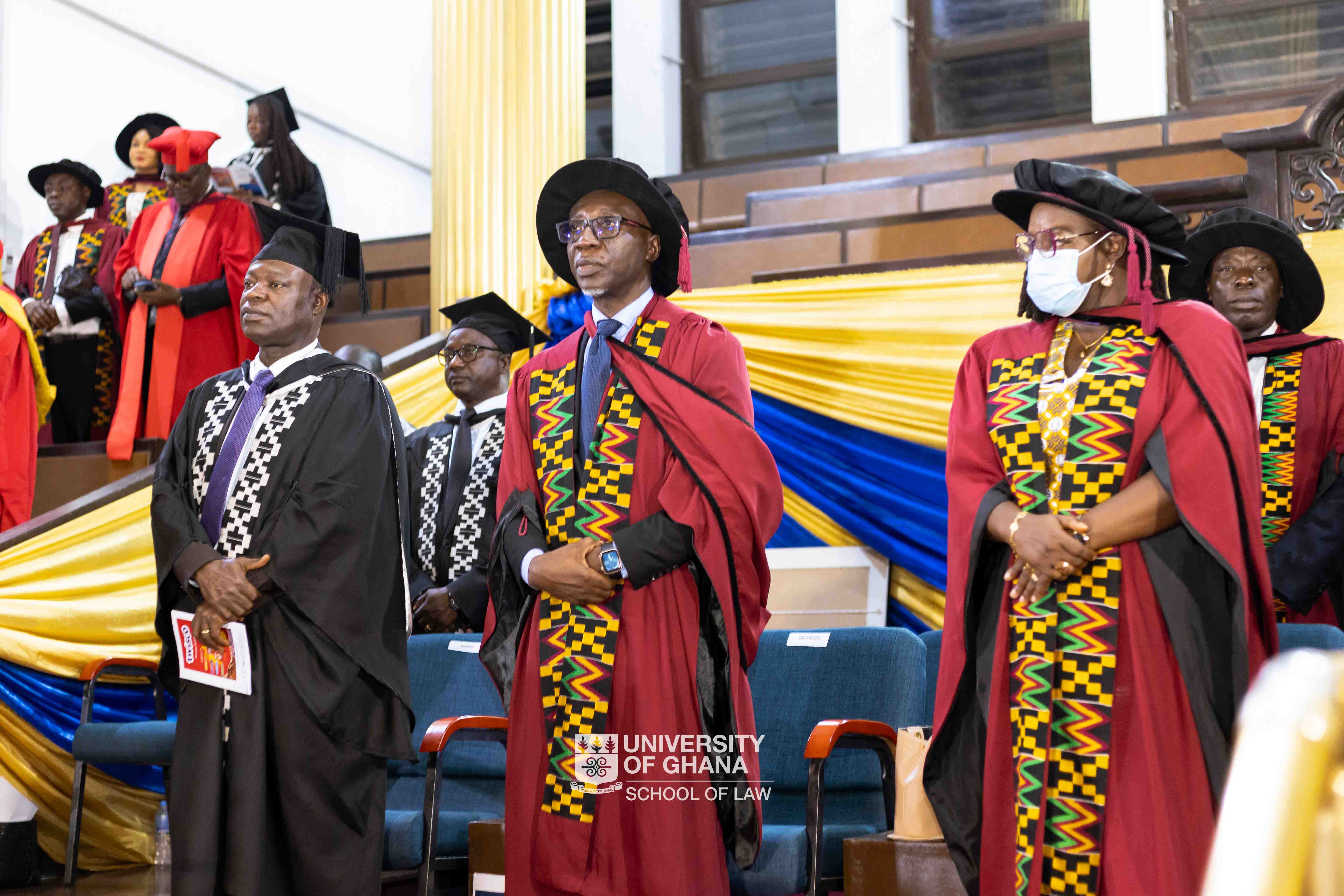
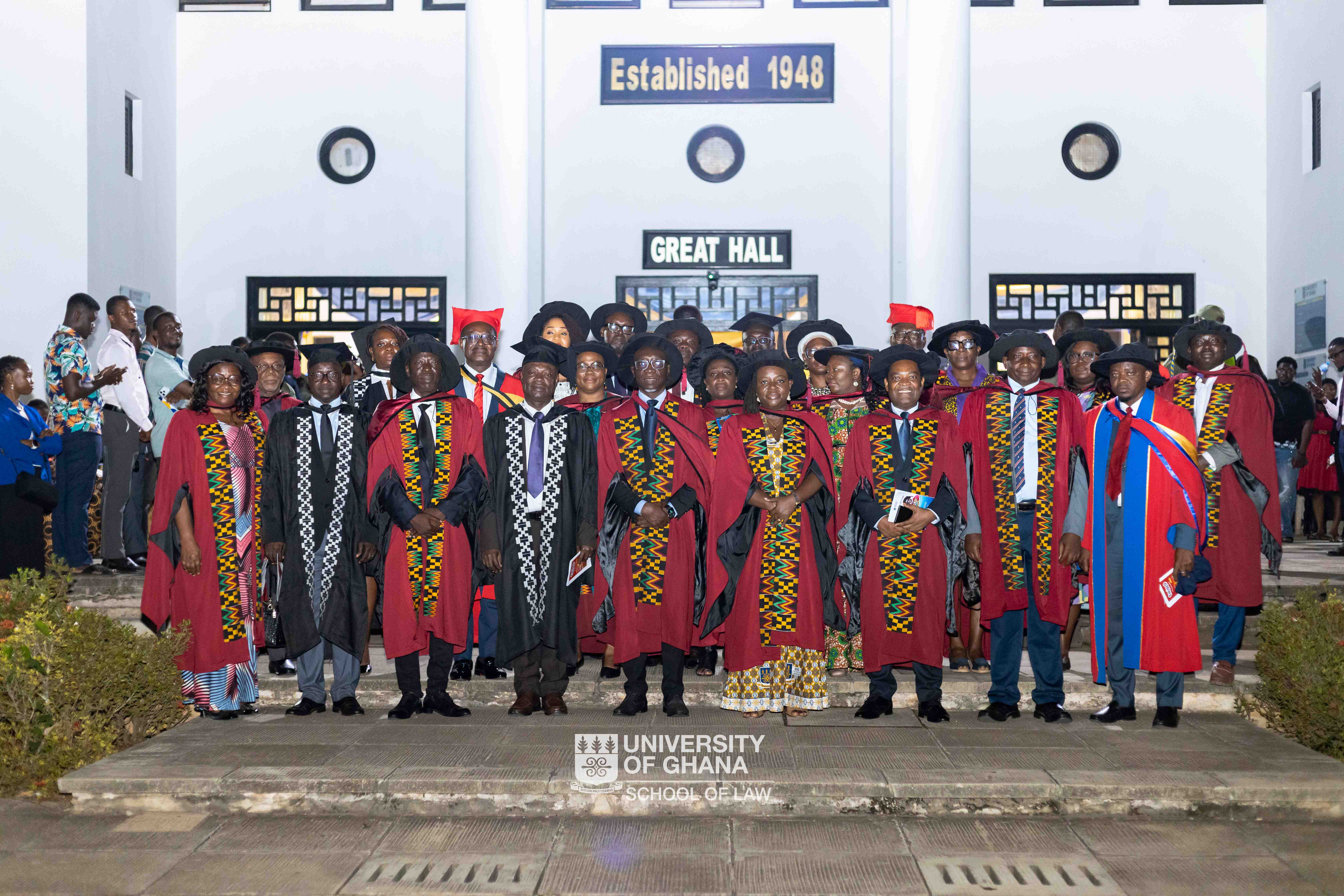
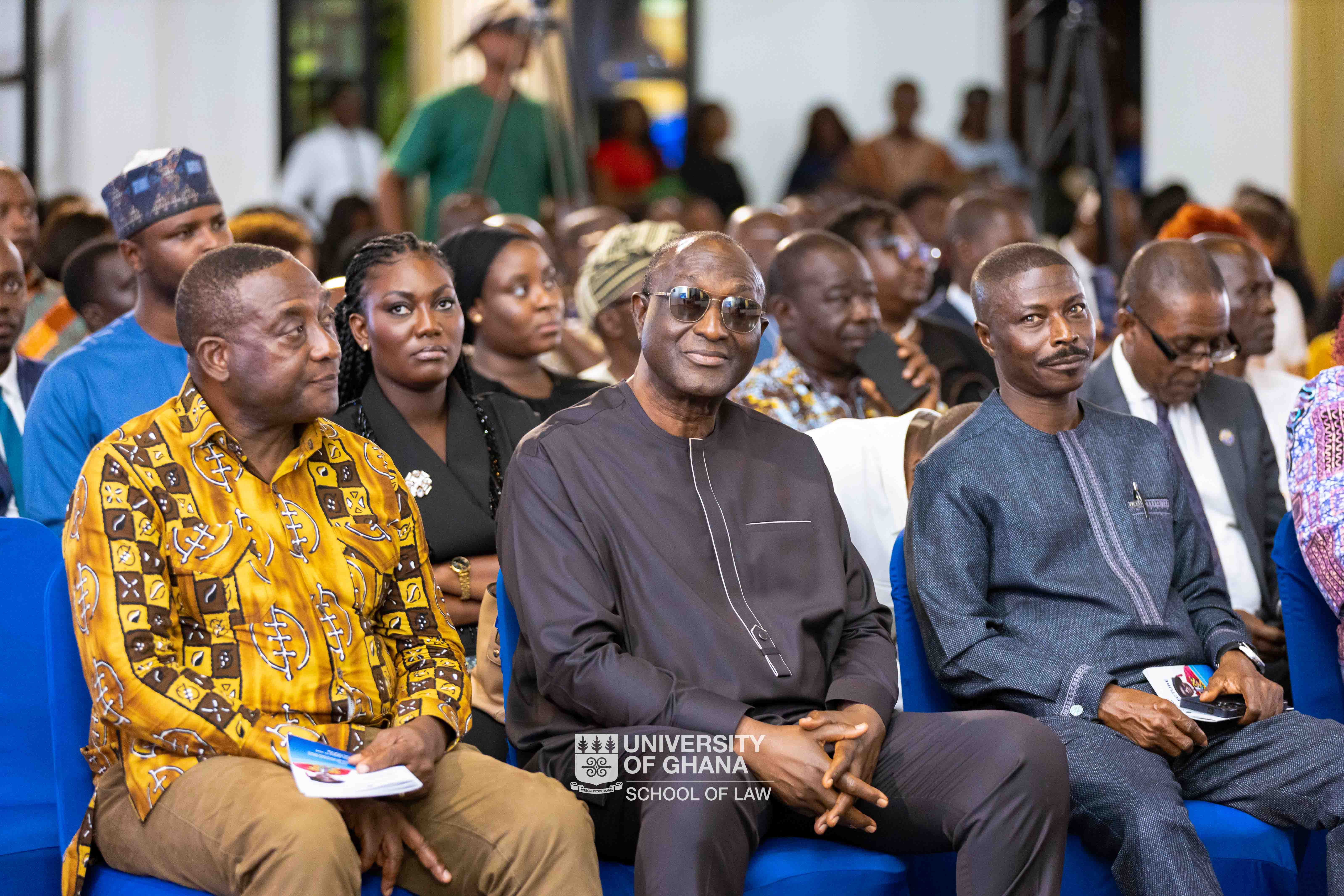
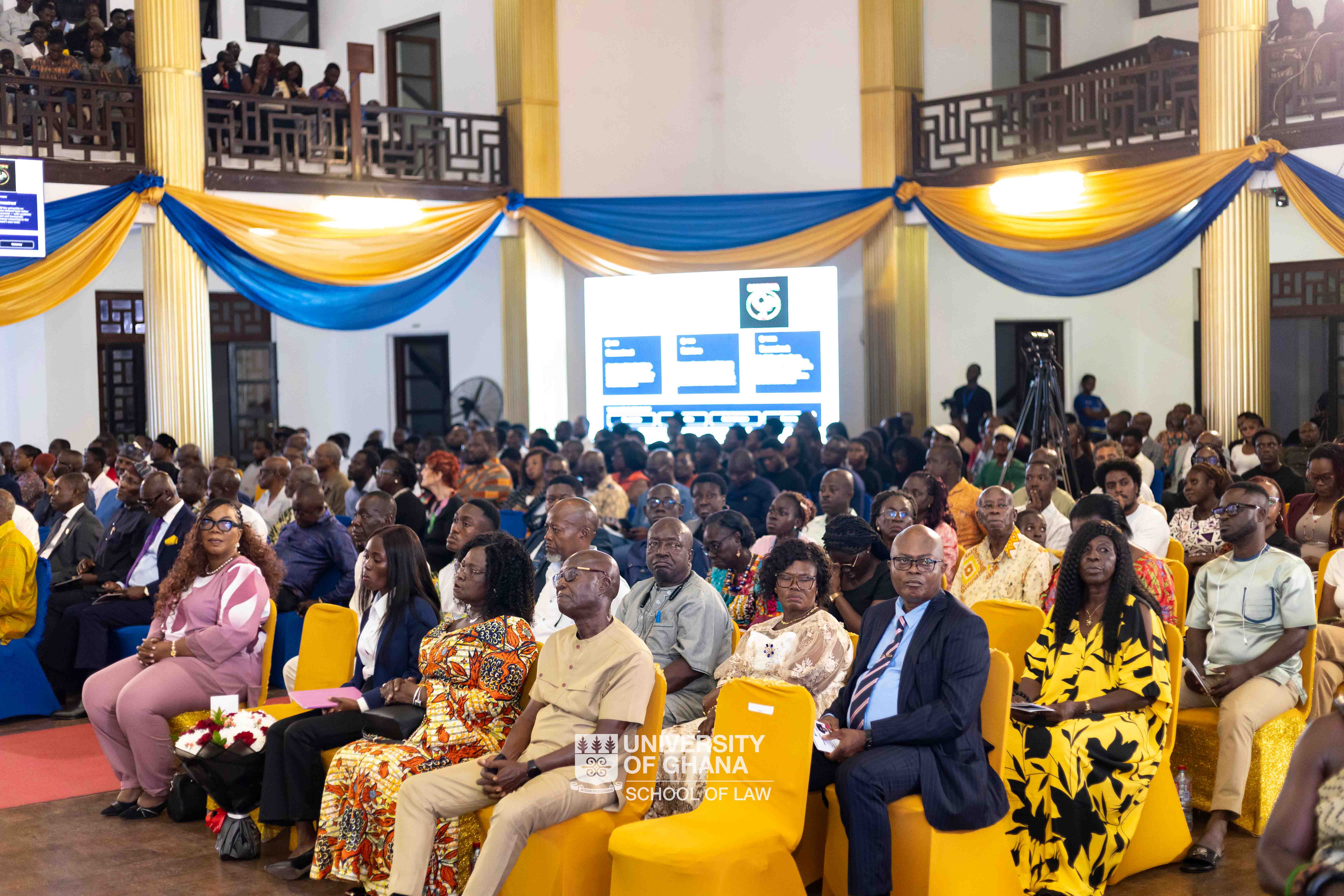
The lecture marked the ninth and final Inaugural Lecture of the 2025/2026 academic year and brought together a distinguished gathering of academics, judicial officers, traditional rulers, alumni, students, members of the diplomatic corps, corporate leaders, family and friends, and representatives of the media.
The ceremony was chaired by the Vice-Chancellor of the University of Ghana, Professor Nana Aba Appiah Amfo, with the Registrar, Mr Michael Opare Atua, delivering the welcome remarks.
Among the guests were Justices of the Supreme Court and Court of Appeal, including Justice Professor Henrietta J.A.N. Mensa-Bonsu, former University of Ghana officials, traditional rulers, alumni, students and invited guests.
Professor Appiagyei-Atua challenged conventional narratives that portray academic freedom primarily as a Western concept, tracing its roots to Africa’s own intellectual traditions. He highlighted the intellectual traditions of the Nile Valley civilisations, including Egypt, Nubia and Ethiopia, as well as Islamic intellectual centres in North Africa, including Al-Qarawiyyin in Fez, and the University of Sankore in Timbuktu, associated with the Mali-Songhai intellectual tradition.
According to Professor Appiagyei-Atua, these centres of learning reflected a dual mandate: creating an environment conducive to learning and recognising students’ rights, while also applying knowledge as a public good capable of challenging orthodoxy and speaking truth to power. He argued that reclaiming these intellectual traditions is essential to developing an African understanding of academic freedom that responds to the continent’s own historical, social and political realities.

A central theme of the lecture was the need to broaden the conversation on academic freedom beyond state interference. Drawing on recent research undertaken through the Africa Coalition for Academic Freedom, which Professor Appiagyei-Atua leads, he revealed that the Coalition recorded 343 incidents across 30 African countries in 2025, comprising 248 violations and 95 positive developments.
Professor Appiagyei-Atua noted that while states and governments remain the leading perpetrators of academic freedom violations, university administrators also account for a significant share. He highlighted that students, who make up over 80% of the university community, constitute 53% of victims, yet remain structurally marginalised in decision-making and often lack meaningful democratic agency.
Professor Appiagyei-Atua identified three principal forms of student marginalisation. First, he examined the “banking model of education”, drawing on the work of Brazilian educator Paulo Freire, where students are treated primarily as passive recipients of knowledge rather than active participants and producers of knowledge.
Second, he highlighted paternalistic control, where institutional structures designed ostensibly to protect students may inadvertently restrict their agency, autonomy and capacity to participate meaningfully in university governance.
Third, he addressed political party capture of student politics, particularly the influence of partisan organisations such as TESCON and TEIN in Ghana, arguing that such infiltration can compromise the independence and effectiveness of student leadership.

Professor Appiagyei-Atua also examined two significant African instruments on academic freedom. He noted that the 1990 Dar es Salaam Declaration on Academic Freedom and Social Responsibility expressly recognised extensive student rights, including freedom of study, freedom to learn and the right to critique government policies. By contrast, he observed that the subsequent Kampala Declaration contained comparatively limited references to student academic freedom, which he described as a missed opportunity for advancing student rights across the continent.
As a way forward, Professor Appiagyei-Atua proposed a model of collaborative governance inspired by the Adinkra symbol Funtunfunefu, depicting two crocodiles sharing one stomach. The symbol, he explained, represents unity, cooperation and shared destiny, and provides a useful framework for reimagining relationships among university management, academics and students.
The proposed model is anchored in distributed authority, ensuring that no single group exercises unchecked power; horizontal consultation, allowing decision-making to move beyond strictly hierarchical structures; mutual accountability, with all stakeholders recognising and fulfilling their responsibilities; and overlapping roles, in which different stakeholders retain distinct responsibilities while remaining interconnected.
Professor Appiagyei-Atua further identified four areas in which democratisation could transform university life and, ultimately, national political culture: democratisation of student politics to protect student leadership from partisan capture; democratisation of the classroom to create greater dialogue, participation and agency for students; democratisation of pedagogy to develop students’ political consciousness alongside epistemological knowledge; and democratisation of university governance through building universities as rule-governed communities of scholars.
The lecture concluded with a call for a new social contract among university management, academics and students. Professor Appiagyei-Atua argued that students must be recognised as primary stakeholders with legitimate democratic claims; academics must serve as stewards of intellectual autonomy and defend academic freedom through solidarity; management must function as facilitators rather than controllers; and civil society must provide solidarity while helping to ensure accountability.
He also urged academics to move beyond welfare-oriented unionism and embrace their broader responsibilities as human rights defenders, working alongside students to resist institutional abuses, corruption and other threats to academic freedom.
For students, he invoked what he described as the Greta Thunberg principle, encouraging them to move from being merely polite to being constructively confrontational, and from asking for permission to demanding accountability.
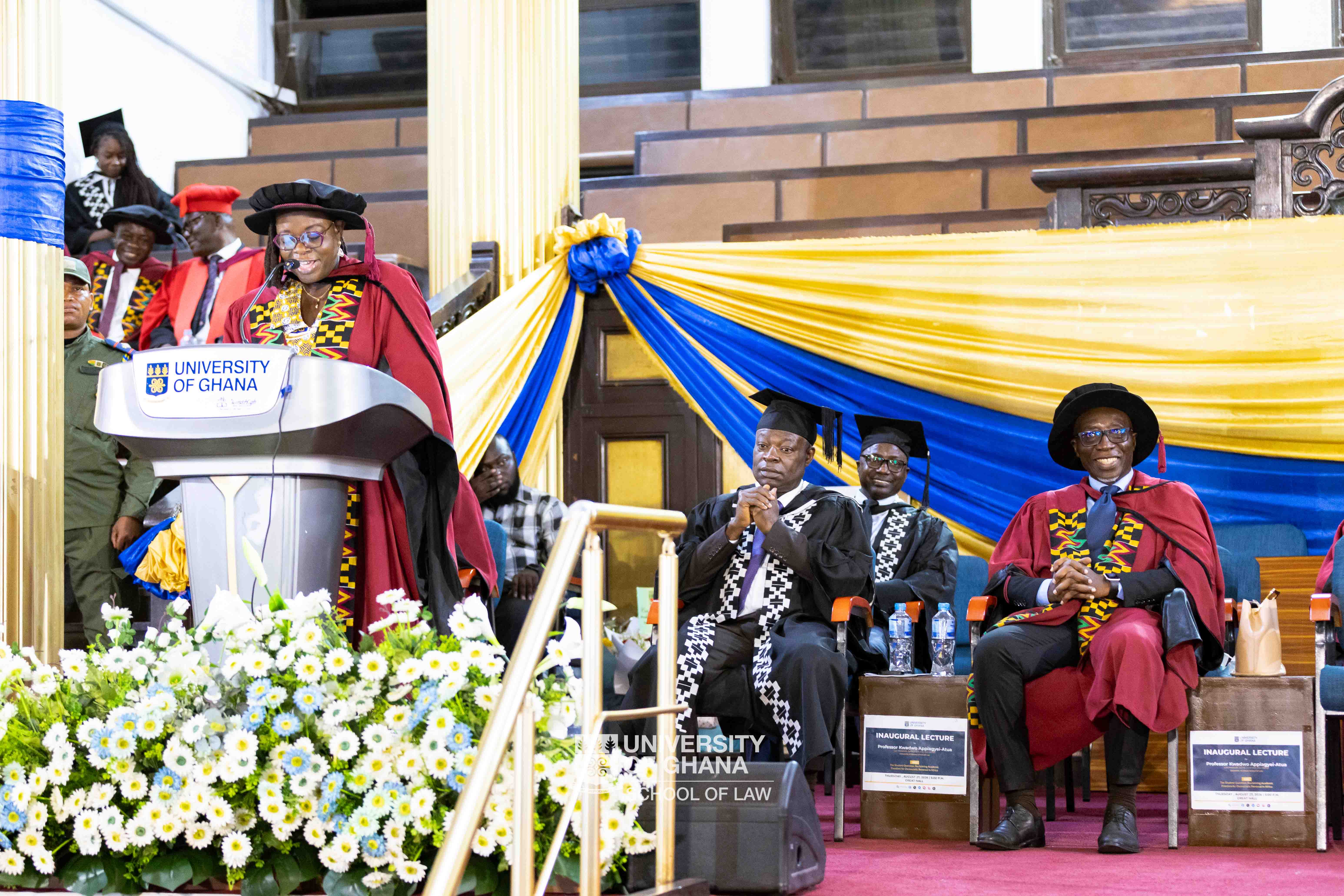
In her closing remarks, Vice-Chancellor Professor Nana Aba Appiah Amfo acknowledged the challenge presented by the lecture, particularly its argument that threats from within academic institutions can sometimes be as significant as threats from outside.
She noted that the University of Ghana is already undertaking initiatives that align with aspects of Professor Appiagyei-Atua’s vision. These include the recent Academic Board review of required courses, which recommends a stronger emphasis on student-centred, active and experiential learning, as well as the introduction of a compulsory module addressing gender, inclusion, disability and related issues.
The Vice-Chancellor also highlighted existing mechanisms for student participation in university governance, ranging from management committees to the University Council, while encouraging students to make greater use of these avenues for engagement.
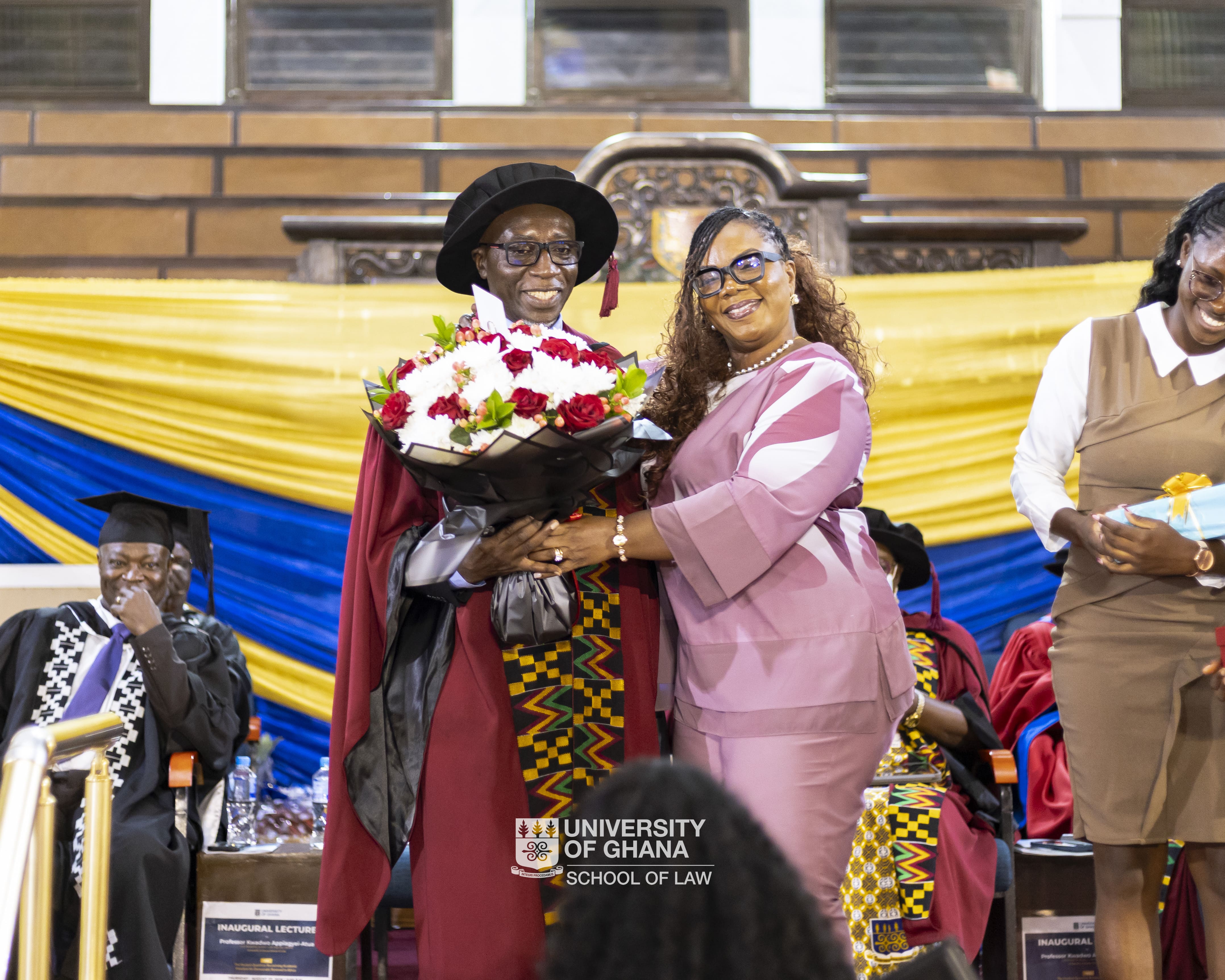
Following the lecture, a number of departments, institutions, organisations, groups, family and friends made presentations to Professor Appiagyei-Atua in recognition of his scholarly achievements and contributions to the University of Ghana and the wider academic community.
Singled out for particular mention was his wife, Mrs. Nana Akua Appiagyei-Atua, for her love, support and sacrifice, which has enabled Professor Appiagyei-Atua to attain this height in his academic journey.
Professor Kwadwo Appiagyei-Atua joined the University of Ghana in 2005 as a Senior Lecturer and has since worked extensively on democracy, elections, governance, disability, gender and human rights issues with organisations including the Centre for Democratic Development (CDD), Institute for Democratic Governance (IDEG), and Open Society Initiative for West Africa (OSIWA).
He is a founding Regional Director of the Africa Coalition for Academic Freedom and a recipient of a Marie Curie Fellowship for research on academic freedom and democracy in Africa.
As part of the activities marking his Inaugural Lecture, a week-long exhibition of Professor Kwadwo Appiagyei-Atua’s scholarly works was held at the Balme Library.
The conversation on academic freedom will continue when Professor Appiagyei-Atua discusses his Inaugural Lecture on Radio Univers 105.7 FM on 16th September 2026 at 9:00 a.m. as part of the station’s Research and Innovation Agenda programme.
The University of Ghana School of Law congratulates Professor Kwadwo Appiagyei-Atua on this distinguished academic milestone and celebrates his enduring contribution to legal scholarship, human rights and the advancement of academic freedom in Africa.