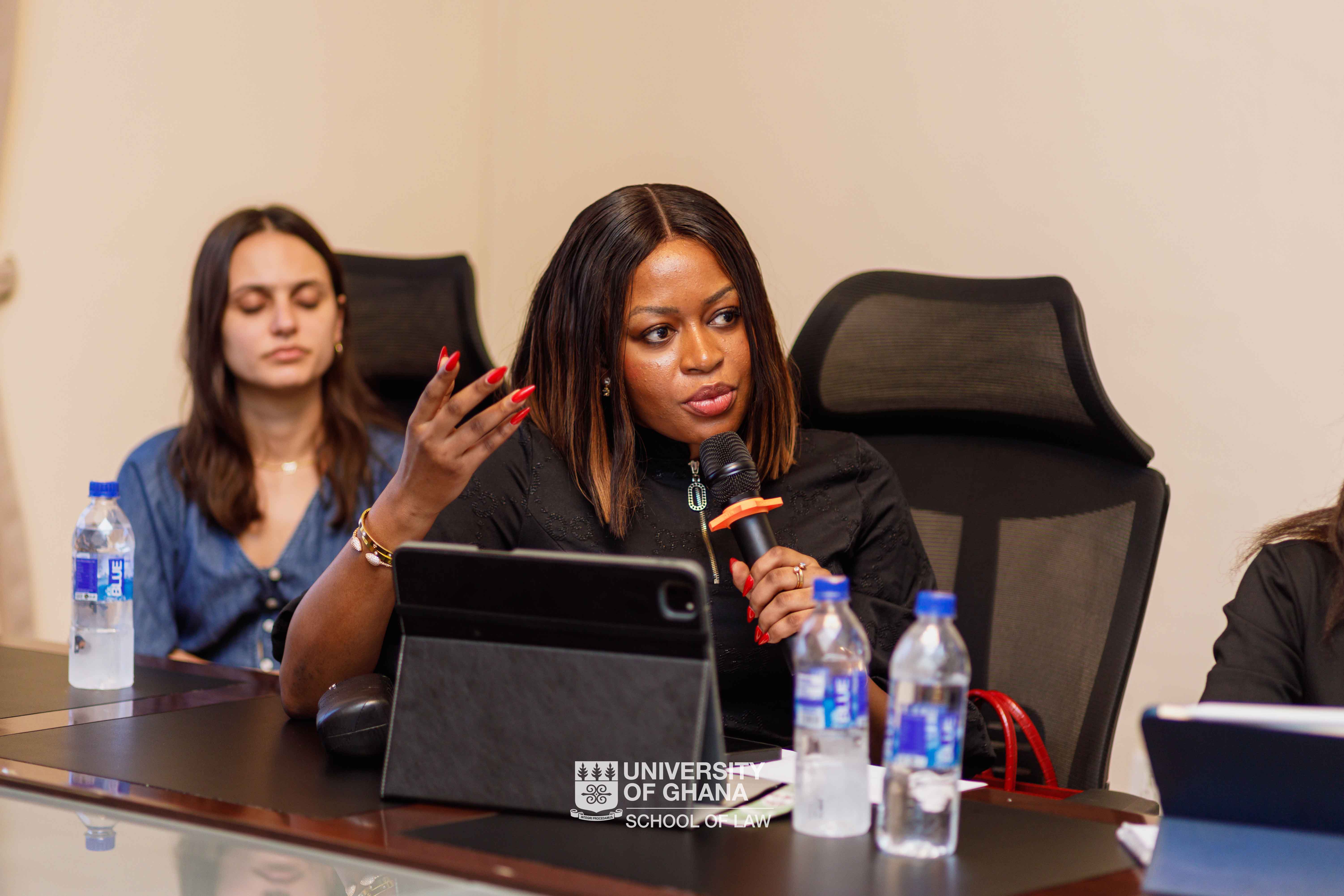
In a landmark series of engagements held from 8th to 12th March 2026, the University of Ghana School of Law (UGSoL), through its Clinical Legal Education Research Team, convened a high-level consortium to introduce an innovative AI-powered civic engagement platform aimed at transforming Ghana’s constitutional reform process.
The delegation, comprising representatives from UGSoL, the University of Pennsylvania Carey Law School, Harvard University, and Stanford University, held strategic discussions with key national governance institutions, including the National Commission for Civic Education (NCCE), the Ghana Center for Democratic Development (CDD-Ghana), the Constitutional Review Committee (CRC), and the National Security Bureau (NSB).
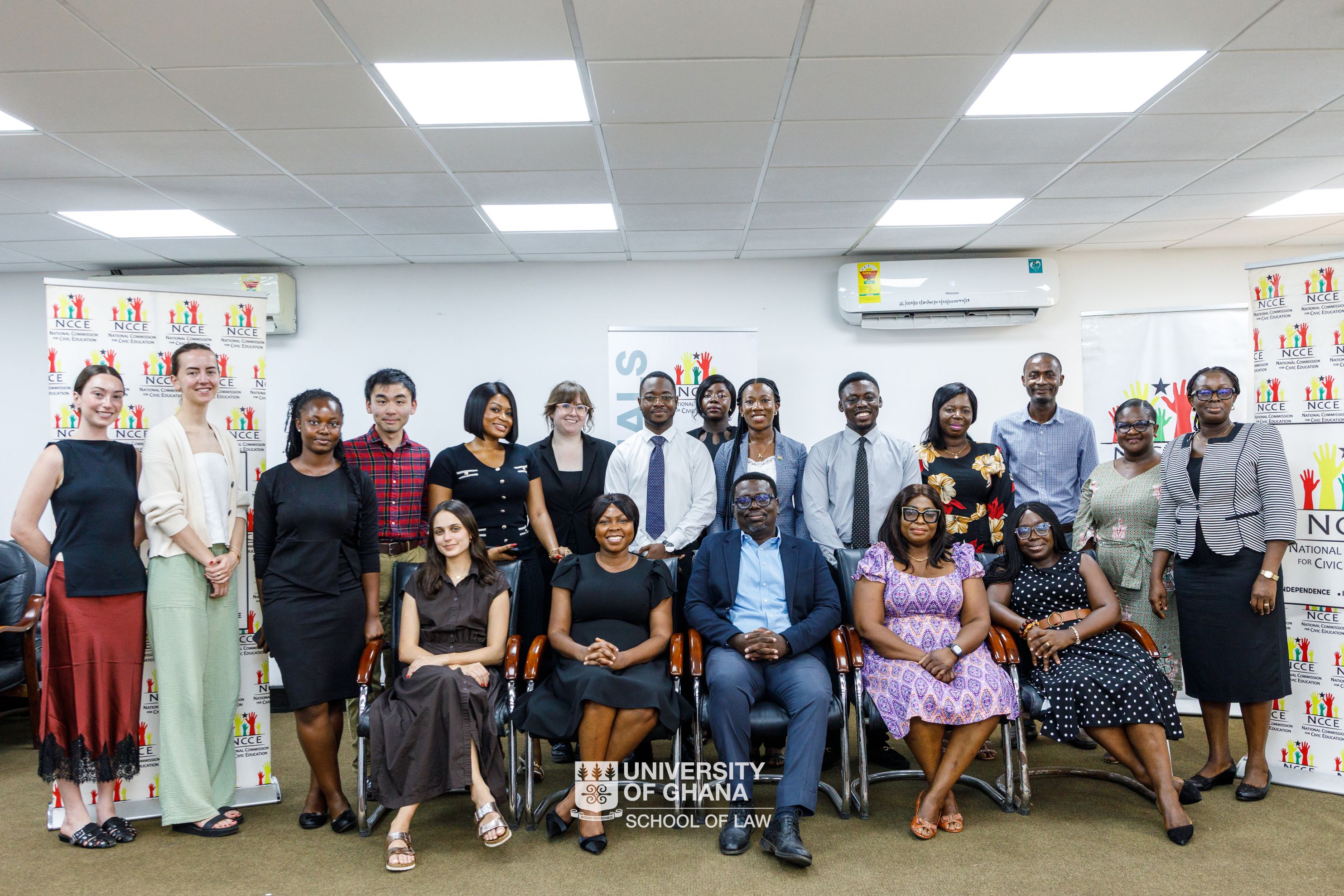
The meetings focused on exploring how artificial intelligence and digital civic participation tools can enhance public engagement, strengthen constitutional dialogue, and support inclusive governance in Ghana.
The project, Deliberation.io, aims to ensure that the voices of ordinary Ghanaians are not just heard but are a driving force in shaping the nation's constitutional future. The week of dialogue marked a significant step in bridging the gap between expert-led reform and genuine, informed public participation.
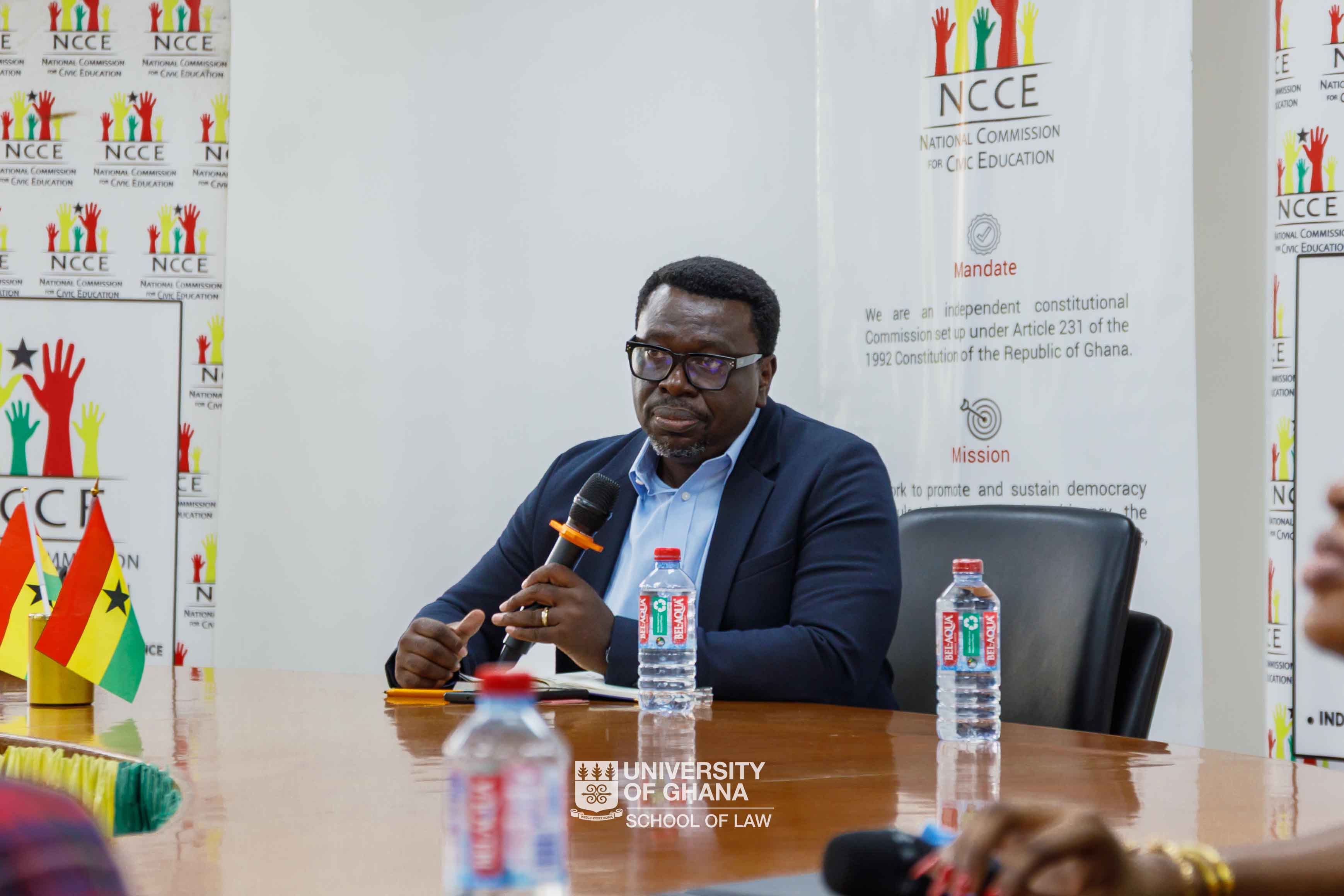
The delegation's engagement with the National Commission for Civic Education (NCCE) focused on introducing the AI-powered Deliberation.io platform as a tool to promote inclusive public participation in Ghana's constitutional reform process. The team demonstrated how the platform enables citizens to engage with expert-informed constitutional issues through an AI chatbot while addressing concerns about digital accessibility by integrating speech-to-text and text-to-speech capabilities in major Ghanaian languages. Recognizing the platform's alignment with the NCCE's 2026 theme on constitutional governance in the digital age, both parties identified the Commission's extensive nationwide network of civic education clubs and district offices as a strategic avenue for expanding public access and engagement.
The delegation engaged the Centre for Democratic Development (CDD-Ghana) to explore how artificial intelligence and civic technology can support inclusive constitutional reform and strengthen democratic participation in Ghana. Discussions focused on leveraging citizen-generated data to inform constitutional review, addressing public trust challenges, and expanding accessibility through multilingual and audio-based engagement tools.
The meeting highlighted strong alignment between the Deliberation.io platform and CDD-Ghana’s work in promoting accountability, democratic governance, and evidence-based policy development. Both teams identified opportunities for collaboration to ensure that future constitutional reforms are informed by broad citizen participation and public trust.

The consortium held a key engagement with the Constitutional Review Committee (CRC) on 12th March 2026 to explore how the Deliberation.io platform can support Ghana’s transition from constitutional review to implementation. Led by Ms. Phoebe Ayitey, the delegation demonstrated how the AI-powered civic engagement platform can capture citizen perspectives, generate data-
driven insights, and promote broader participation beyond traditional elite-driven constitutional discussions.
The meeting highlighted the platform’s potential to reconnect with diverse communities consulted during the review process and provide scientifically aggregated public feedback to inform policy decisions, parliamentary debates, and future constitutional reforms. The engagement positioned Deliberation.io as a bridge between the CRC’s completed mandate and the next stages of Ghana’s constitutional reform journey.
The consortium concluded its series of engagements with a meeting with the National Security Bureau (NSB) on 12th March 2026, focusing on data protection, cybersecurity, and the integrity of the AI-powered Deliberation.io platform.
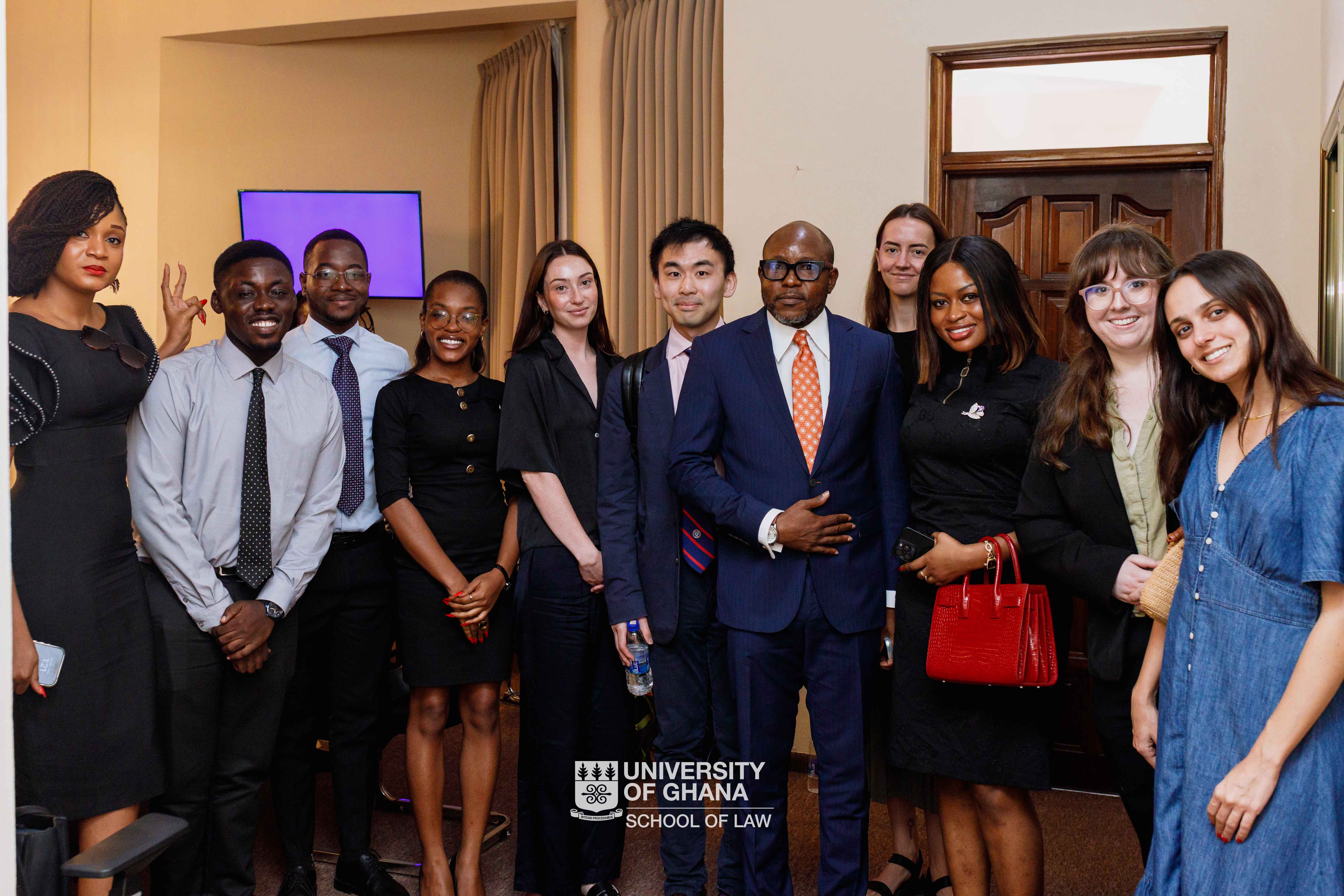
Prof. Raymond Atuguba, who led the delegation, highlighted the importance of safeguarding sensitive citizen data generated through the constitutional reform engagement process. Discussions centred on securing communications, preventing cyber threats, and implementing measures to ensure reliable and authentic public participation. The NSB welcomed the initiative and identified opportunities for collaboration, noting its ongoing efforts with the Ministry of Communication, Digital Technology and Innovations to establish an AI modelling centre. The meeting concluded with a commitment to explore technical cooperation, including platform security, user verification, and protection against data manipulation.

The outreach initiative reflected a shared commitment to harnessing technology to advance inclusive and meaningful civic participation in Ghana’s constitutional reform process. By combining UGSoL’s legal expertise, the technological capabilities of its international partners, and the institutional knowledge of key national stakeholders including the NCCE, CDD-Ghana, CRC, and NSB has established a strong foundation for a secure, data-driven, and people-centred national dialogue.
As Georgina Gyan-Kontoh, Esq., a member of the team observed, the project’s ultimate success will depend on the effective adoption and use of the platform by stakeholders to amplify the perspectives of citizens across the country. At a critical moment as Ghana moves toward a potential constitutional referendum, the initiative represents a forward-looking model for civic engagement—one that ensures the voices of Ghanaians remain central to shaping the nation’s constitutional future.